Monday-Friday: 9am – 5pm


An estimated 42% of marriages in the United Kingdom end in divorce. Divorce can be a complex and emotionally challenging process. If you’re considering a divorce, you may wonder how long it will take to resolve. In this article, we will outline the stages of the divorce process and provide insights into the typical timeframe.
For more information on how Zeus Family can support you if you're considering divorce, please see our dedicated divorce page >
A divorce or dissolution will take at least six months, even if your circumstances are straightforward. On average, the divorce process in England and Wales takes 7 to 10 months to complete. Various factors can affect the length of divorce proceedings.
Making child arrangements can significantly impact how long it takes to complete a divorce. Custody, visitation, and financial support negotiations often extend the process.
Financial negotiations can also play a crucial role in the duration of divorce proceedings. If there are significant assets or disputes over finances, it can extend the process. Sometimes, people may realise they need to account for inheritance or business interests they did not initially consider. Negotiating a fair financial settlement can be time-consuming, requiring careful consideration and often involves complex financial arrangements.
Factors like willingness to compromise, mediation, and solicitor involvement can positively influence the speed of agreement. Clear communication and cooperation can expedite the negotiation process, reducing the overall timeline.
It is vital to seek guidance from an experienced family law solicitor to ensure a fair outcome. At Zeus, we offer a free consultation to answer any questions you may have about your rights during the divorce process.
In the UK, the court considers the start date of the divorce timeline as the day when one party files the divorce application.
After submitting the application, the court typically takes a few weeks to process and issue it to the respondent. The respondent then has a 2-week timeframe in which to respond.
The next stage is to apply for a conditional order (previously called the decree nisi). There is a 20-week cooling-off period between the court issuing the application and granting the conditional order.
Once the court grants the conditional order, there is a further 6-week waiting period. After this time, the applicant can apply for the final order (previously called the decree absolute).
The court issues the final order, which typically takes an additional one to two weeks. Once granted, this will finalise the divorce.
Therefore, the entire process can take anywhere from 7 to 10 months.
With the new no-fault divorce rules, it is no longer necessary to cite a fault such as unreasonable behaviour to file for divorce. The entire divorce process will now take at least six months from beginning to end.
The two facts that constitute an “automatic” divorce are desertion for at least two years and separation for at least five years.
Many people mistakenly believe that simply living apart for a certain time will lead to divorce. However, the parties involved must still take steps to initiate divorce proceedings. If they do not, they will remain legally married.

While the duration of a divorce can vary, there are steps you can take to help expedite the process. First and foremost, it is crucial to maintain open and honest communication with your spouse. If both parties are willing to cooperate and reach an amicable agreement, the divorce process can be significantly quicker.
It's essential to seek legal advice early on to prepare and submit all necessary documents correctly. Additionally, staying organised and responsive to requests from your solicitor or the court can help prevent unnecessary delays.
In cases where both parties agree to the divorce or dissolution of their marriage, the process will still take at least six months. This is regardless of the simplicity of their circumstances. The law mandates this timeline to allow for a period of reflection and the opportunity for reconciliation.
Even if both parties quickly agree, various legal steps, like filing paperwork and getting court approval, still take time. And keep in mind, how long the divorce takes can change based on things like how busy the court is and how well solicitors handle the case.
While every divorce case is unique, couples may encounter some common challenges and delays. One potential hurdle is delaying the divorce for financial reasons. If there are significant assets or disputes over financial matters, it can prolong the process. Negotiating a fair financial settlement may require the careful consideration of financial experts or accountants, which can take time.
Another challenge is when one spouse attempts to drag out the divorce. Sometimes, a disgruntled spouse may delay proceedings out of spite or to gain a strategic advantage.
They may use tactics such as failing to respond to legal documents or not attending court hearings. Factors like disagreements over child custody, property division, or financial support can also extend the proceedings.
This can be frustrating, however, there are legal measures in place to prevent undue delays. The courts can and will intervene to expedite the process if necessary.
New research has found that 272,000 people (one in five divorces) have delayed their divorce for financial reasons. These delays primarily stem from concerns about income stability, living expenses, and the costs associated with divorce proceedings themselves. These findings underscore the profound impact that financial considerations can have on the decision-making process surrounding divorce.
How long it takes to negotiate a financial settlement depends on a number of factors. These include how complex the assets are and how well both parties work together.
Resolving simple cases can take a few months, or for complex cases, it can take a year or more. It's essential to consult a family solicitor specialising in divorce and financial settlements to ensure a just outcome.
Simply put, the answer is no. Although there is a possibility of a 50/50 split, it is not a guaranteed outcome. The court's priority in divorce is to ensure fairness, which sometimes does not translate into an equal split.
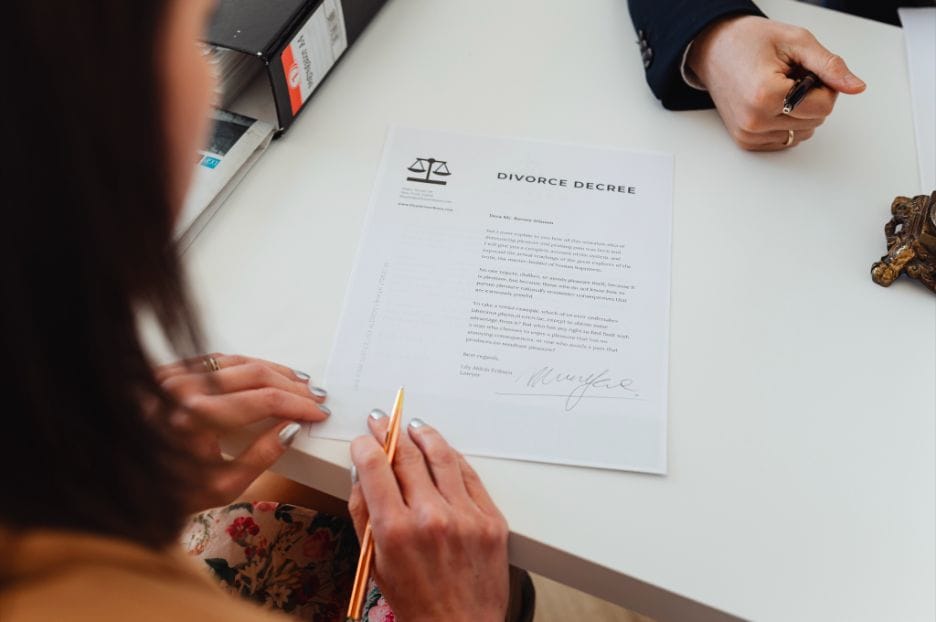
The last stage of the divorce process is obtaining the final order. After obtaining a conditional order, the applicant must wait six weeks before seeking a final order from the court. Once the court grants the final order, the divorce is complete.
Getting divorced in the UK is a process that requires time, patience, and careful consideration. Understanding the legal process and seeking professional advice can help you navigate a divorce more efficiently. Divorce can be a difficult journey, but with the proper support, you can emerge stronger and ready for the next chapter.
Zeus Family Law can help you navigate divorce with compassion and clarity. Schedule a free 20-minute consultation with our team to discuss your situation and begin the process.